
Christian conversion by missionaries in India is a sensitive and complex issue that is often debated. The Constitution of India grants all citizens the right to freedom of religion, which means any person is free to follow, practice, and propagate any religion of their choice (Article 25 of the Constitution).
Conversion and Law
The right to freedom of religion does not mean that one can convert someone by force, fraud, coercion, or inducement. While there is no central anti-conversion law in India, several states have enacted their own laws to prevent such conversions. Some of the major states are:1
- Odisha (first in 1967)
Madhya Pradesh
Arunachal Pradesh
Chhattisgarh
Gujarat
Himachal Pradesh
Jharkhand
Uttarakhand
Uttar Pradesh
Haryana
Karnataka ↩︎ - The laws in these states have different provisions, but they generally:
Prohibit forced conversion: This includes physical force, threats, or mental pressure.
Prohibit conversion by fraud: This includes misrepresentation, any kind of lie, or deceit.
Prohibit conversion by inducement: This can include the lure of financial gain, free education, healthcare, employment, or any other material benefit.
Some laws also regulate conversions for the purpose of marriage, especially if they involve coercion or fraud. ↩︎
Violations of these laws can result in fines and/or imprisonment, the duration of which varies according to state law. Recently, states like Uttar Pradesh and Uttarakhand have further tightened their anti-conversion laws, with provisions for longer jail sentences and higher fines.:1.
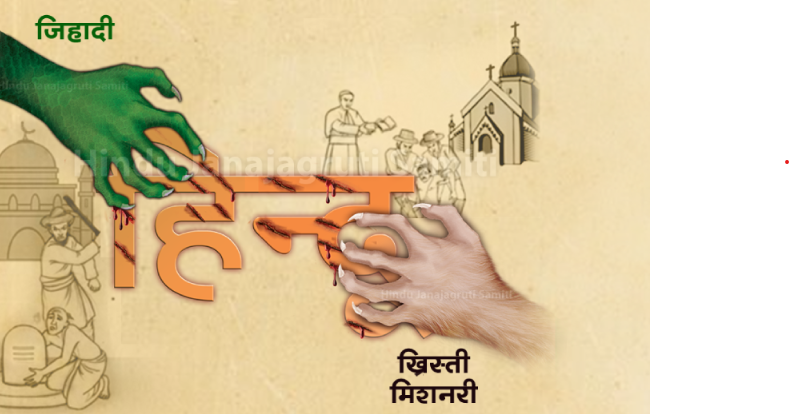
Potential Efforts and Programs by Anjani Putra Sena
“Awareness campaigns and propaganda”
- The organization conducts awareness campaigns in villages and towns, in which they inform people about the alleged “dangers” and “lures” of conversion.
- They encourage people to maintain faith in their original religion (Hinduism) and explain how some missionaries allegedly carry out conversions through improper means.
- This may include distributing pamphlets, performing street plays, or organizing local gatherings.
Key Objectives of the Ghar Wapsi Program:
- If a person or a family has adopted Christianity, the Anjani Putra Sena attempts to persuade them to return to Hinduism (Ghar Wapsi).
- We offer religious rituals (such as purification ceremonies) and social support for this purpose.
Religious and Cultural Programs:
- Organizations celebrate religious events, prayers, and festivals on a large scale to strengthen people’s faith in Hinduism.
- This is a way to keep the youth connected to their culture and traditions
- For example, organizing large-scale processions on festivals like Ram Navami, with an emphasis on youth participation.
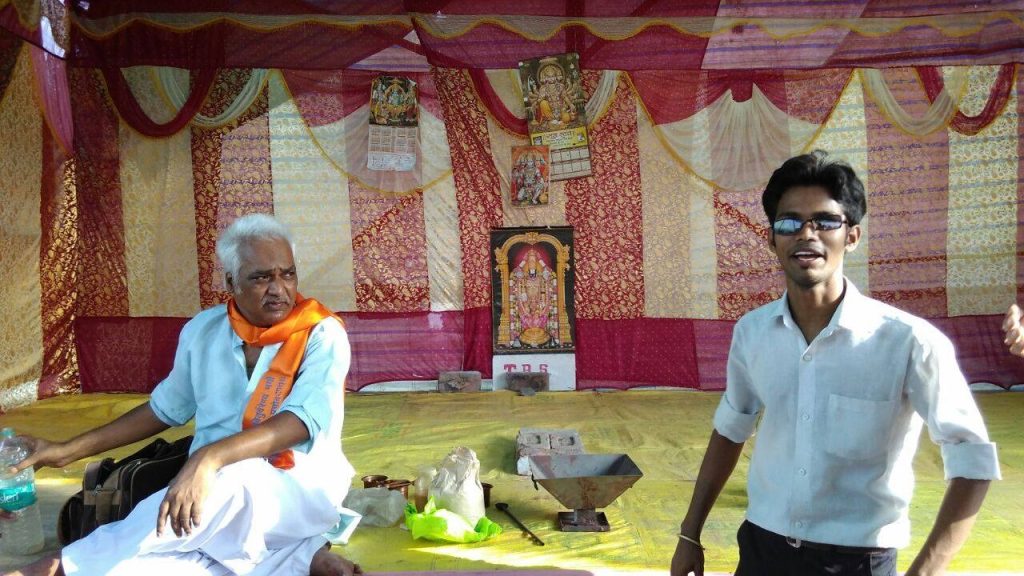
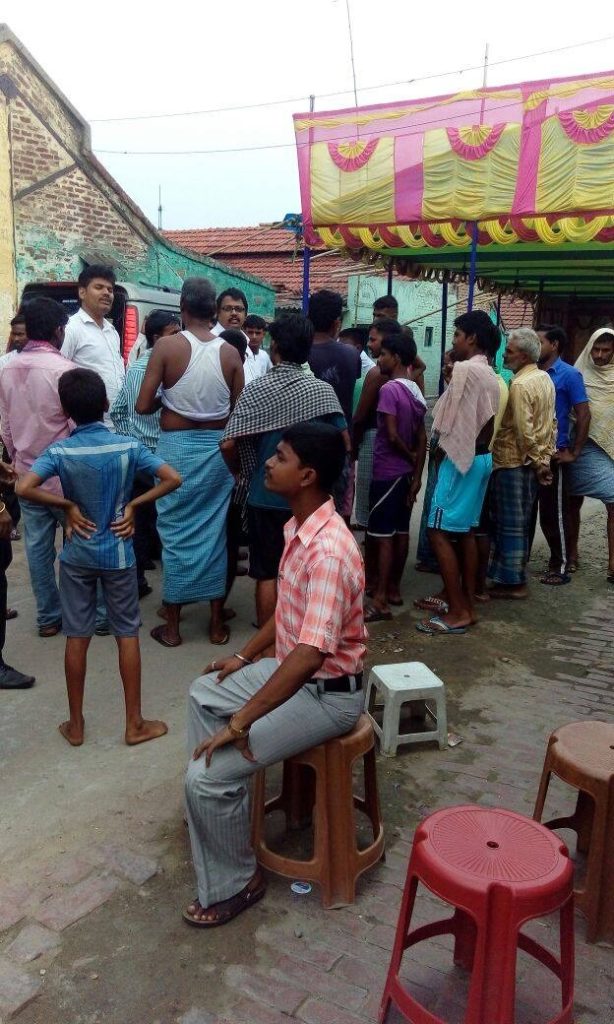
The work being done by institutions of Christian missionaries in India often goes unnoticed. The general public believes that they are doing a service, helping needy people. However, under the guise of all this, these missionaries are vigorously carrying out conversion work.
One such case came to the attention of the Anjani Putra Sena.
In 2015, Christian missionaries were frequently visiting a village in the Hooghly district of West Bengal. They gradually started misleading and luring the local people with various kinds of temptations and began inciting them against the Sanatan Hindu Dharma. In doing so, they were succeeding in their mission and were even planning to open a church in the village.
They had planned a large-scale conversion program for a significant number of villagers.
It was at this point that some Hindu brothers contacted the Anjani Putra Sena. They came to Howrah to meet us and gave us complete information about the conversions happening there. After understanding all the facts, the organization decided that we would not allow the local Hindus to be converted at any cost.
We began our preparations on how to stop this program. We gathered all our workers and planned to reach the venue on the day of the conversion program.
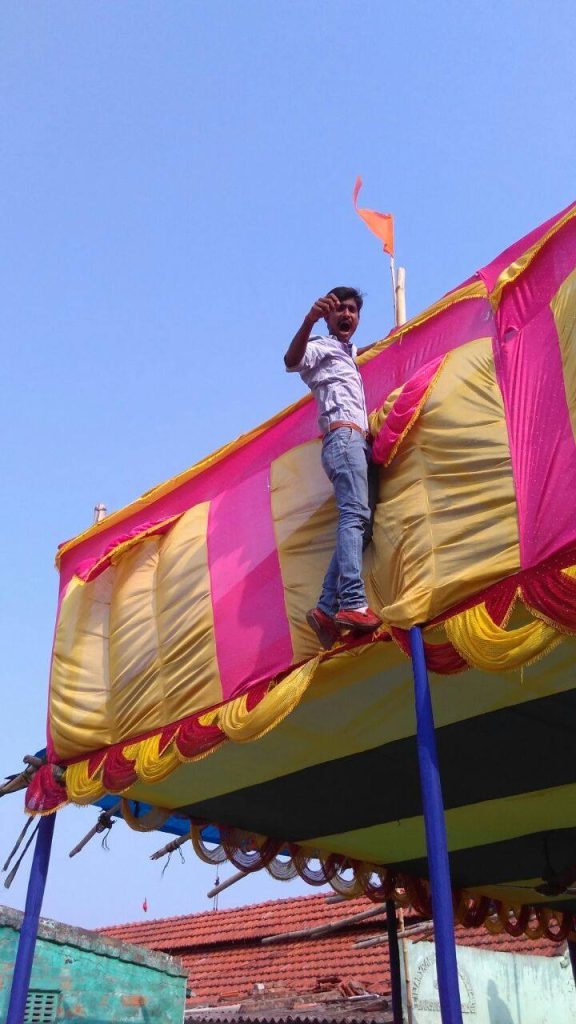
Our entire team arrived and first stopped the priest who was conducting the conversions. We had already informed the local police station and had taken a lawyer with us. We managed to convince the innocent Hindus there after a great deal of effort. At the very place where the conversion was supposed to happen and a church was to be built, we performed a ‘Havan‘ and installed an idol of God, thereby re-establishing Dharma there. We were successful in stopping the conversion there. Such work is going on vigorously all over the country, which needs to be stopped immediately, so that the flag of the eternal Sanatan Dharma always keeps flying high.
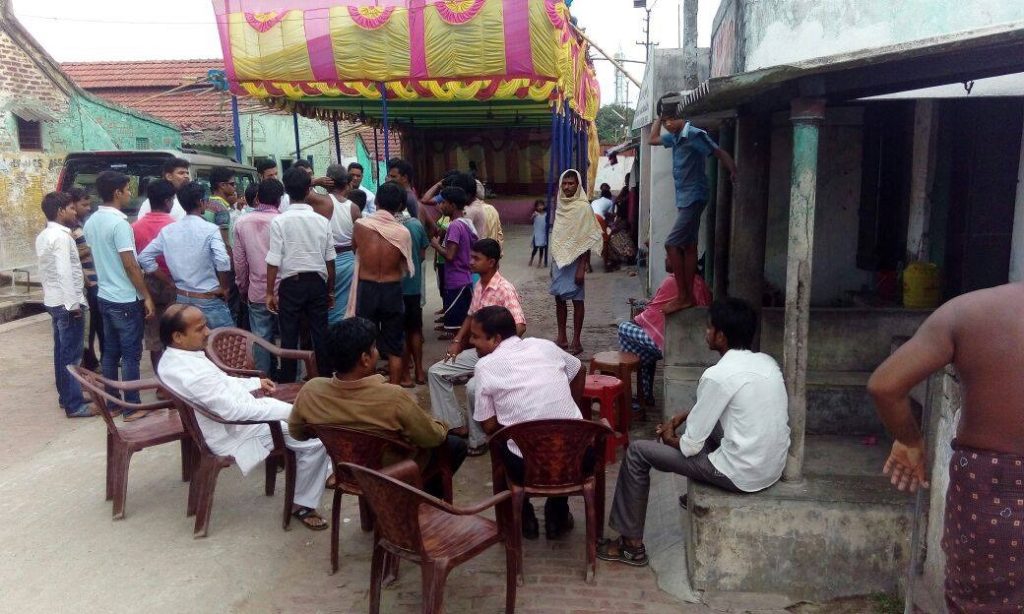
Anjani Putra Sena’s demands for legal and administrative intervention include
The organization has been demanding that governments enact anti-conversion laws, similar to those in other states like Uttar Pradesh, Madhya Pradesh, and Gujarat.
If they receive a complaint of forced or inducement-based conversion in a particular place, they can appeal to the local administration or police to intervene in the matter.
Key Points:
- Please provide the text in Hindi that you would like me to translate. I will then provide you with the English translation.
- Given the absence of anti-conversion laws in West Bengal, the organization relies more on awareness and social mobilization.


