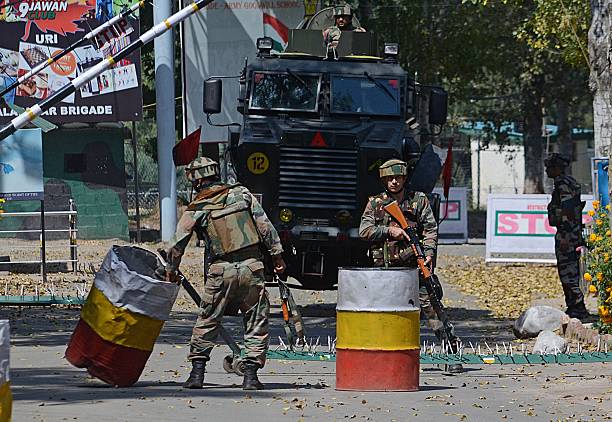
In the early morning of September 18, 2016, around 5:30 a.m., four terrorists launched an attack on an Indian Army brigade headquarters in Uri, Jammu and Kashmir. The attack occurred during a shift change, with soldiers staying in transitional tents. The terrorists threw several grenades, which caused a fire and trapped many soldiers. In the ensuing six-hour gun battle, all four terrorists were killed. However, the attack resulted in the death of 19 Indian soldiers, with another 30 sustaining injuries.
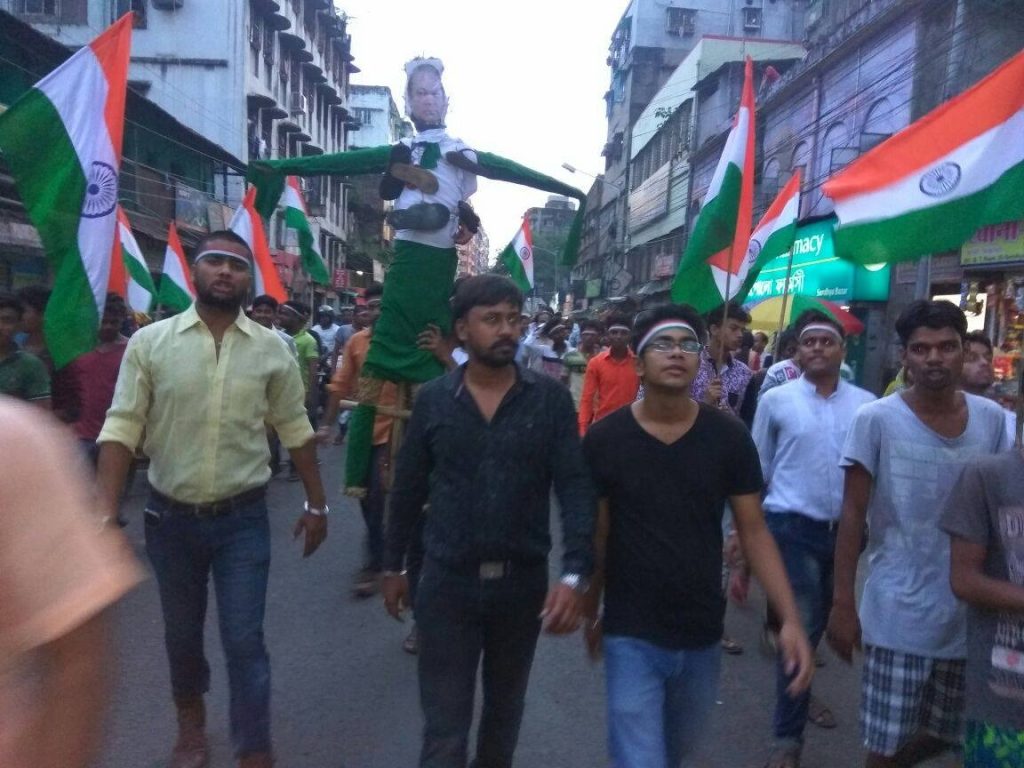
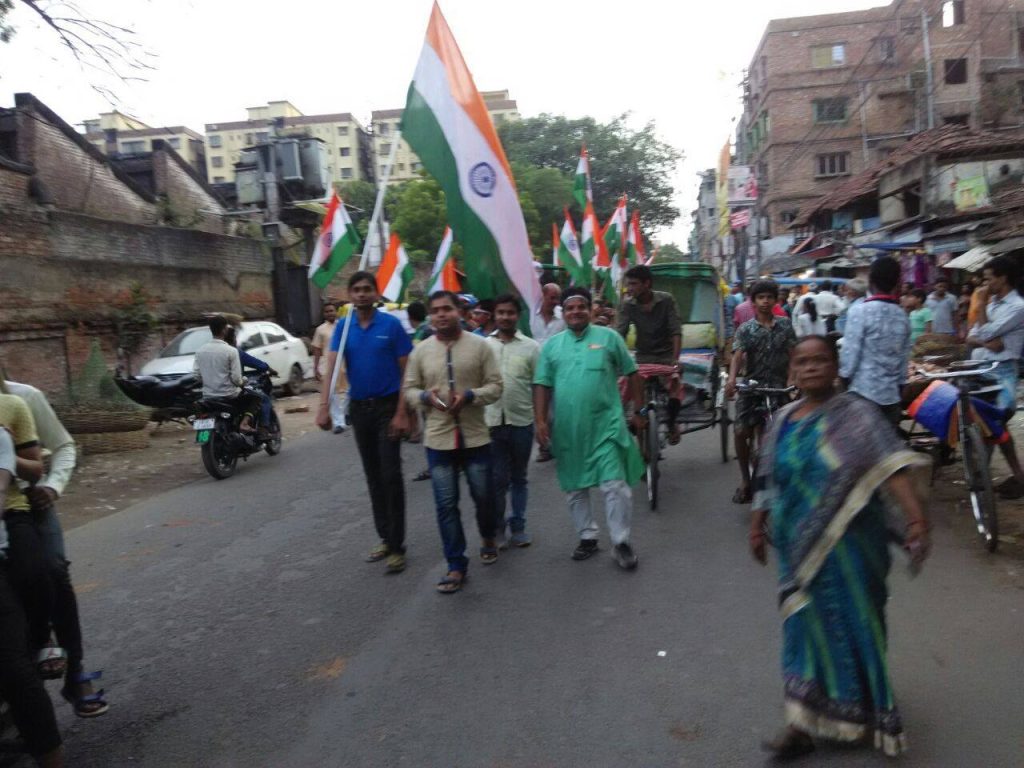
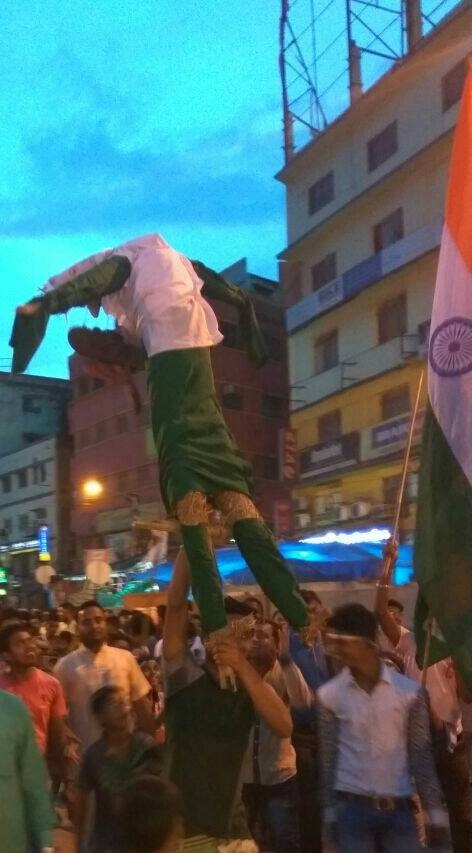
Following the Uri attack in September 2016, widespread protests and rallies were held across India, particularly by nationalist and Hindu organizations like the Anjani Putra Sena, against Pakistan and terrorism.
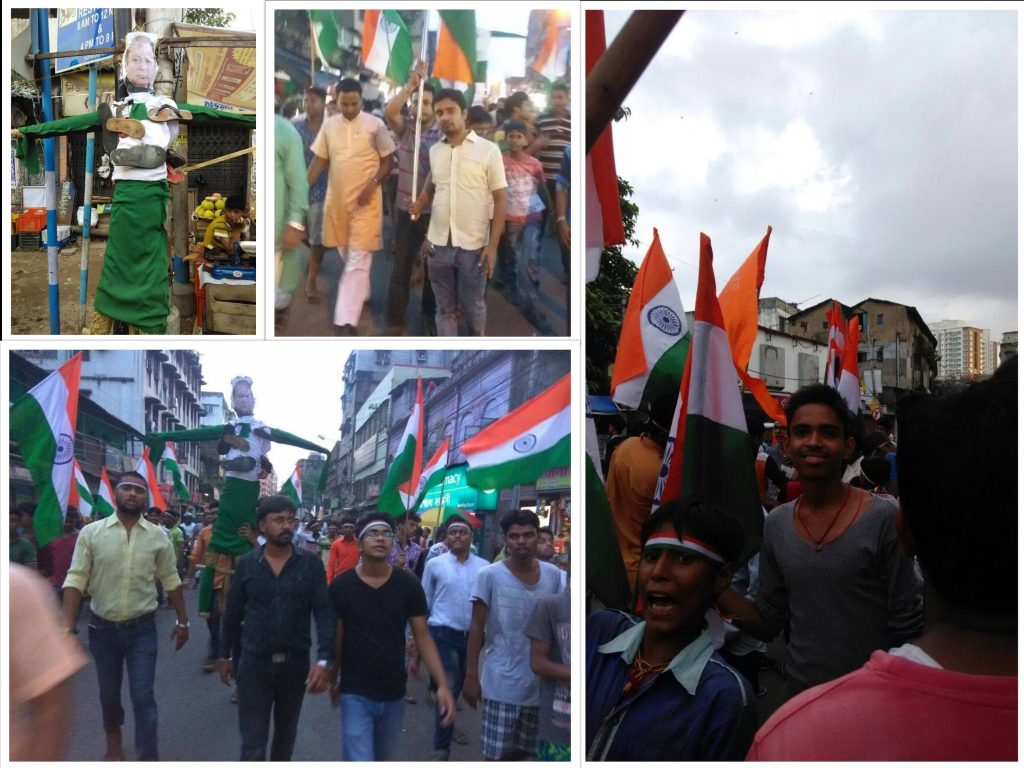
The Anjani Putra Sena publicly condemned the Uri attack, calling it a cowardly and barbaric act of terrorism. They paid tribute to the soldiers who were martyred and expressed condolences to their families.
Nationalist Protests:
The organization held rallies and demonstrations to express nationalist sentiments. Slogans like “Pakistan Murdabad” (Death to Pakistan), “Aatankwad Murdabad” (Death to terrorism), and “Bhartiya Sena Zindabad” (Long live the Indian Army) were chanted during these rallies.
Public Participation:
These rallies were attended by members of the organization as well as a large number of citizens who were outraged by the Uri attack.
Support for the Army:
The Anjani Putra Sena saluted the valor and sacrifice of the Indian Army and urged the government to take strong action against terrorism.
Social Media Campaign:
Posts and messages condemning the Uri attack were also shared on various social media platforms.
India’s reaction
Surgical Strike
Ten days after the Uri attack, on the night of September 28-29, 2016, the Indian Army crossed the Line of Control (LoC) and conducted a “surgical strike” on terrorist launch pads located in Pakistan-occupied Kashmir (PoK).
Objective: The purpose of these strikes was to destroy the terrorist bases from where infiltration and terrorist attacks into India were being planned.
Action: Indian Army special forces crossed the border, penetrating 1 to 3 kilometers inside, and targeted terrorist camps using grenades and rocket launchers. India claimed that several terrorists were killed and their hideouts were destroyed in this operation.
Impact: India presented these surgical strikes as its decisive policy against terrorism, demonstrating its resolve to counter cross-border terrorism. Following these attacks, tensions between India and Pakistan increased significantly.