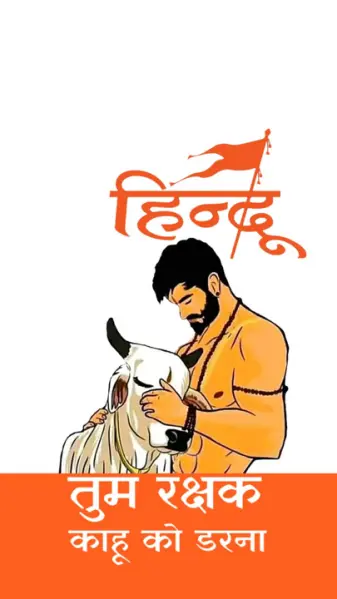
“The Primacy of ‘Gau Mata’ in Hinduism: A Cultural and Spiritual Significance”
“In Hinduism, the cow (Gau Mata) is considered extremely sacred and revered. It is not just an animal, but is regarded as a mother, symbolizing purity, nourishment, and selfless service. Its importance is not limited to religious rituals alone; rather, it is an integral part of Hindu culture, lifestyle, and philosophy.”
“Religious and Spiritual Significance”
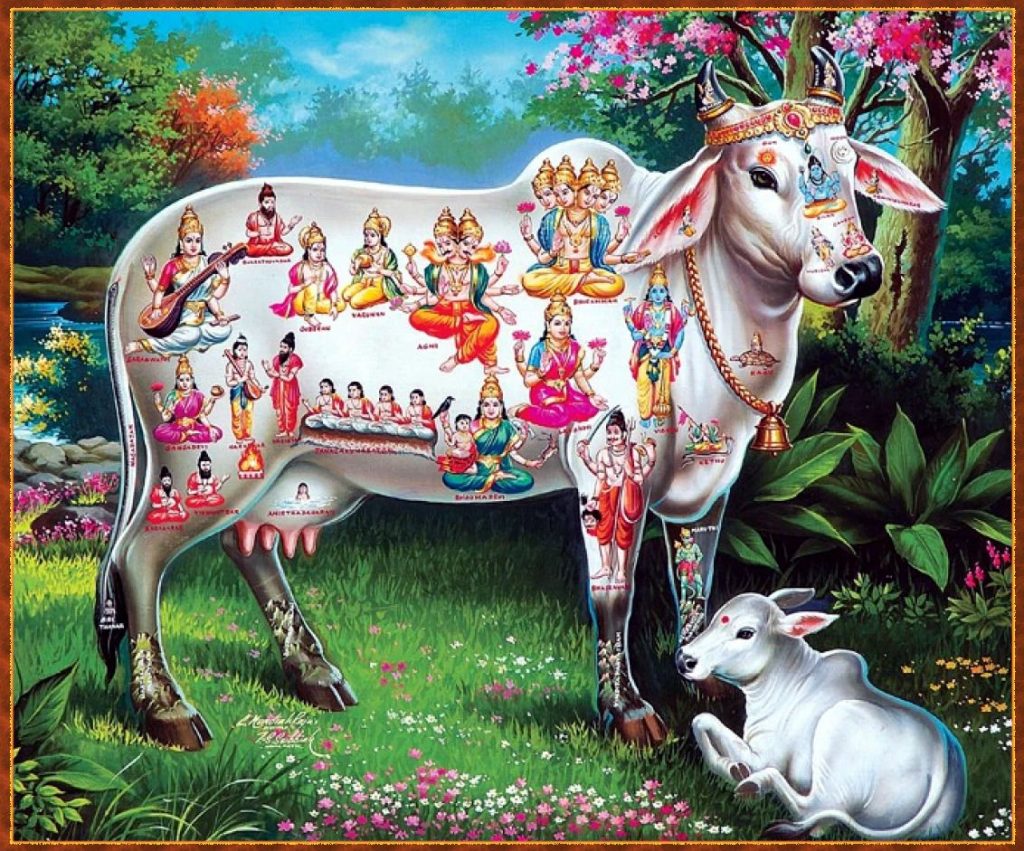
Symbol of Divinity
- The cow is associated with several gods and goddesses. It is believed that thirty-three crore (330 million) gods and goddesses reside within the body of a cow.
- Lord Krishna is called ‘Gopal’ (protector of cows) and ‘Govinda’ (one who pleases the cows), which shows his deep connection with them.
- In mythological tales, Kamadhenu is described as a divine cow who fulfills all wishes.
Purity and Purification :
- The Panchagavya derived from a cow (milk, curd, ghee, cow urine, and cow dung) is considered extremely sacred and is used in religious rituals, purification ceremonies, and Ayurvedic medicines.
- Cow urine and cow dung are considered disinfectants and sacred, and they are used to purify homes and places of worship.
Nourishment and the Basis of Life:
- Cow’s milk is a nutritious food for everyone, from children to the elderly. It is considered to be like nectar.
- In an agrarian society, cows were crucial for plowing fields and for transportation. Cow dung is used as natural fertilizer and fuel (cow dung cakes). Thus, the cow has been the foundation of the rural economy and life.
“Cultural and Social Primacy“
“Maternal Form: In Hinduism, the cow is addressed as ‘Gau Mata’ (Mother Cow) because she nourishes human life with her milk, just as a mother does. She is the supreme symbol of maternal love and selfless service.”
“Principle of Non-Violence: The worship of the cow also promotes the Hindu principle of ahimsa (non-violence). Protecting the cow means having a sense of compassion and respect for all living beings.”
“Symbol of Auspiciousness: Bringing a cow home or simply seeing one is considered auspicious. The cow is worshipped in many festivals and ceremonies.”
“Ecological Balance: In traditional Indian society, cows played a significant role in maintaining ecological balance, especially in agriculture and waste management.”
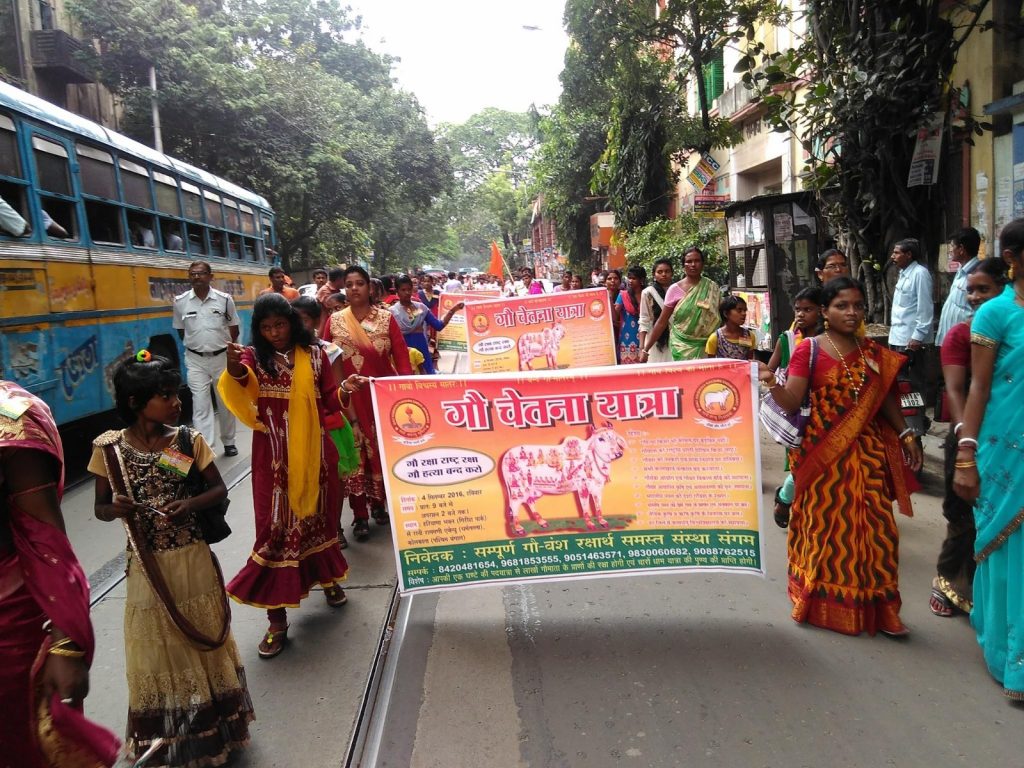
“Objectives and Nature of the ‘Gau Chetna Yatra'”
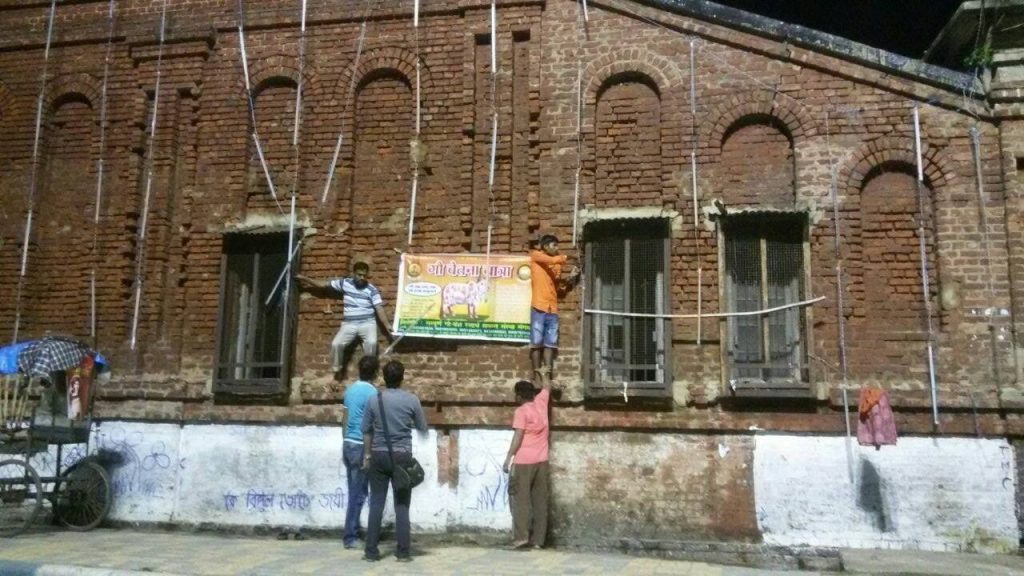
The primary objective of the ‘Gau Chetna Yatra’ organized by the ‘Anjani Putra Sena’ is to raise awareness in society about the importance of ‘Gau Mata’ (Mother Cow) and to inspire people for her protection. Journeys of this kind typically include the following:
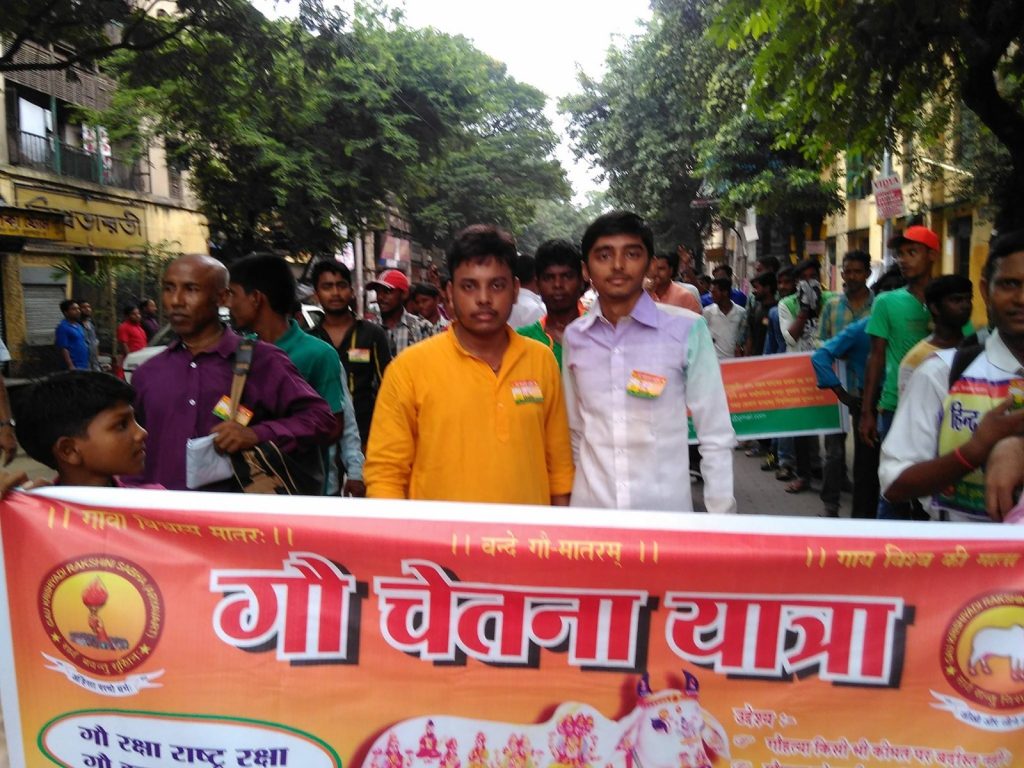
“Public Awareness: Through the journey, people are educated about the religious, cultural, economic, and environmental importance of the cow.”
“Message of Cow Protection: An appeal is made to stop cow slaughter and support cow shelters.”
“Religious Sentiment: Slogans and hymns like ‘Jai Gau Mata’ are chanted, which strengthens feelings of reverence and devotion towards ‘Gau Mata’ in people.”
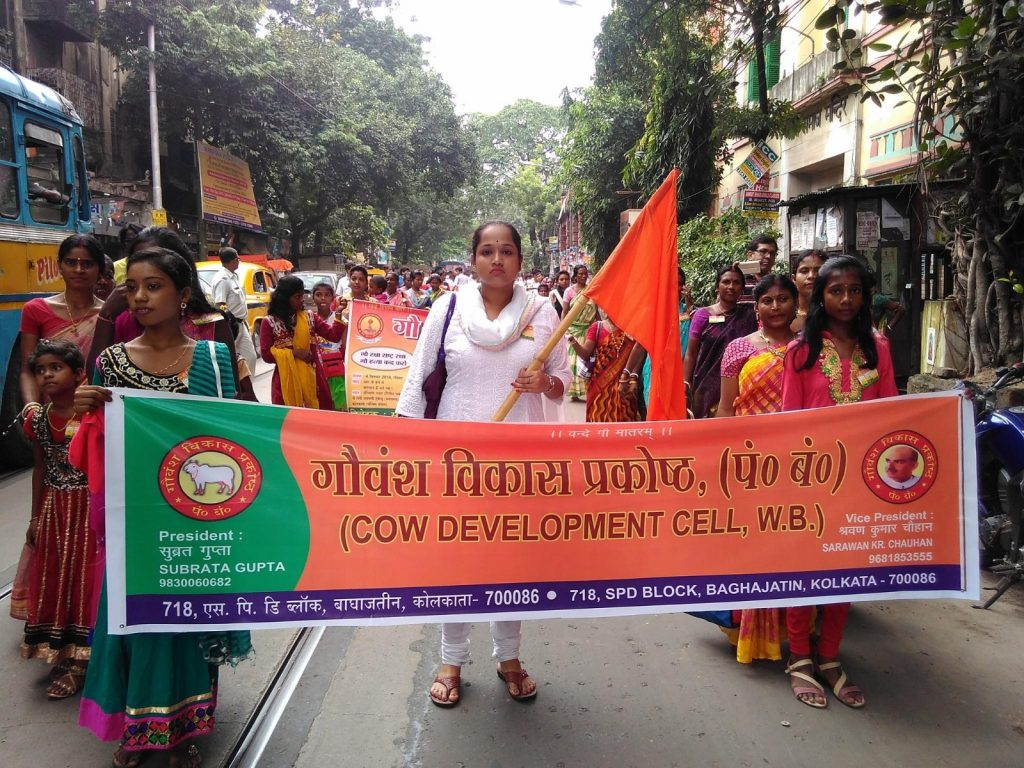
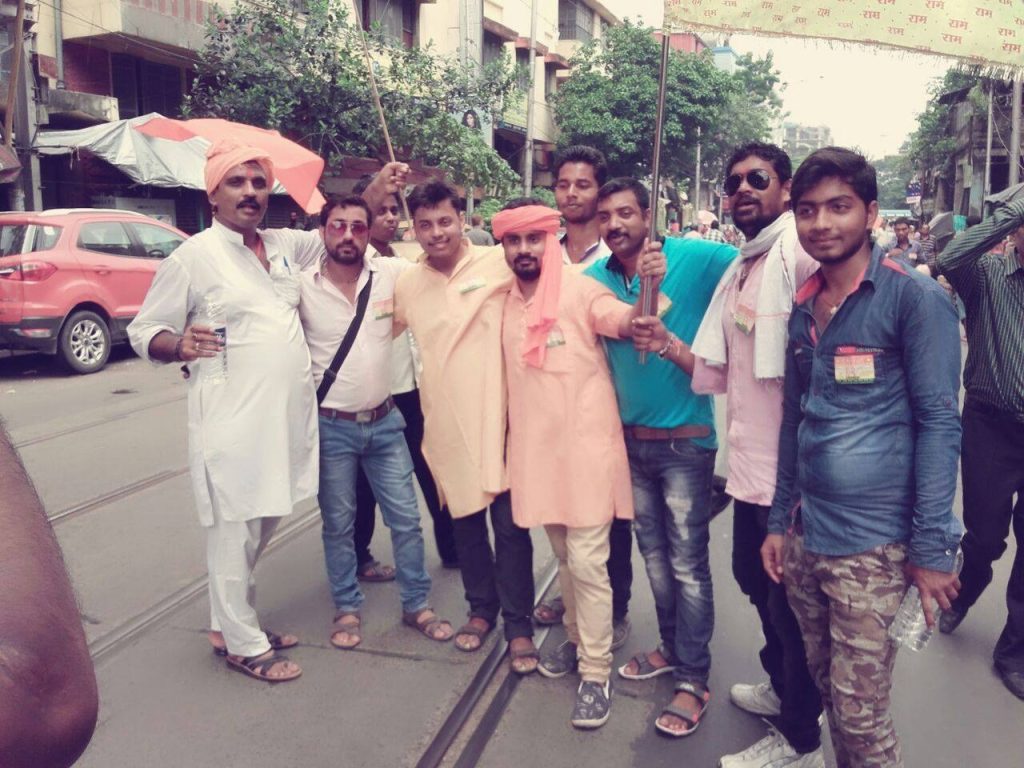
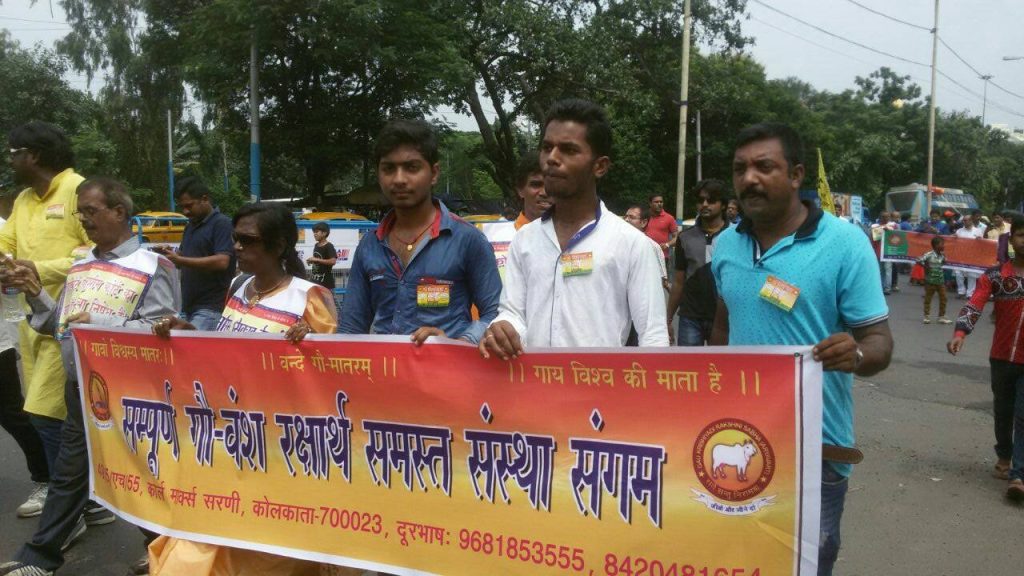
“Community Participation: The yatra includes members of the Anjani Putra Sena along with local people, cow lovers, and representatives from various Hindu organizations.”
You all know well what place Gau Mata (Mother Cow) holds in our Sanatan Dharma and how revered she is.
It is a matter of great sorrow that in our own country, where Hindus are in the majority, cow slaughter is happening openly.
The Anjani Putra Sena’s workers inspected all the khatals (cow sheds) and gaushalas (cow shelters) in Howrah city and appealed to the owners not to hand over our Gau Mata to unrighteous hands.
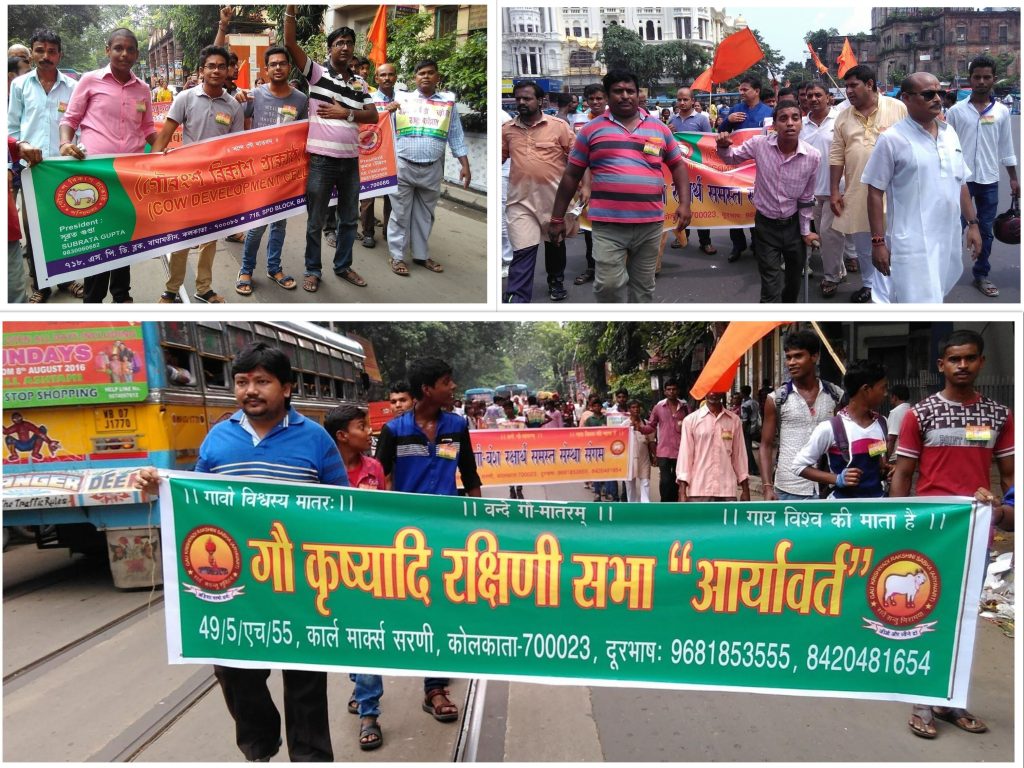
Protesting against the continuous cow slaughter in West Bengal, the Anjani Putra Sena, along with various cow-loving organizations from across the state, peacefully demonstrated on the streets of Kolkata. They demanded an immediate stop to cow slaughter, strict legal action against those who commit it, and the implementation of a law to permanently ban cow slaughter. A memorandum was also submitted to the Governor.